HOW YOUR
CREDIT SCORE AFFECTS YOU
Your credit score is like a report card for your money habits. It tells lenders how likely you are to pay back what you borrow. The higher your score, the easier it is to get loans, mortgages, or credit cards—and the better the deals you’ll get.

IN CANADA AND U.S.
Credit Scores Usually Range from 300 to 900.
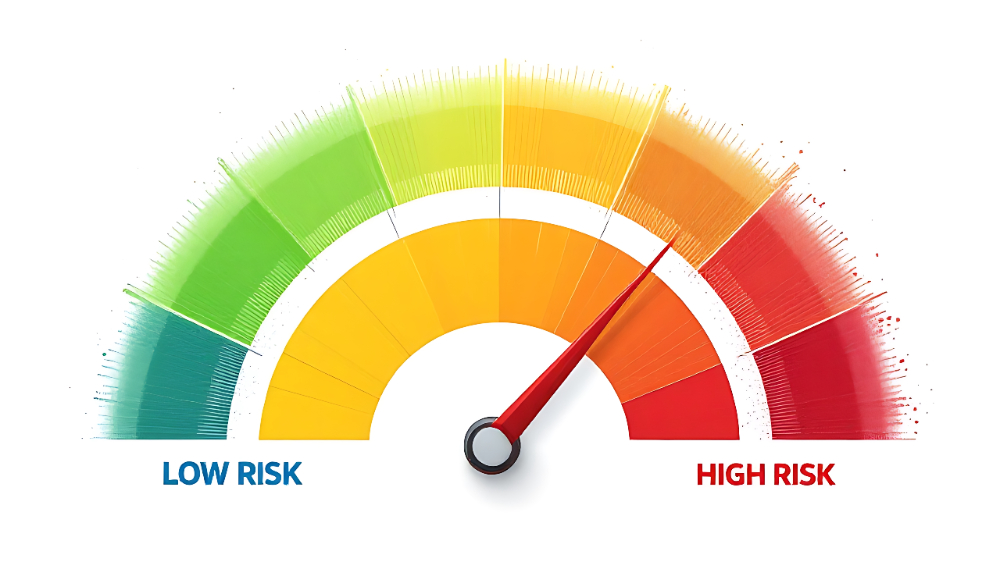
High Score (750+): Lenders see you as low risk. You’ll often get lower interest rates, smaller down payments, and save thousands over time.
Low Score (below 600): Harder to get approved. Lenders may ask for bigger down payments and charge higher interest, which means higher monthly bills.

WHAT MAKES UPYOUR CREDIT SCORE?
Your Score Comes From Your Credit Report, Which Tracks Your Borrowing History:
Payment history: Do you pay bills on time?
- Outstanding debt: How much do you currently owe?
- Length of credit history: How long you’ve had credit.
- Types of credit: Credit cards, loans, lines of credit, etc.
- Credit applications: How often you apply for new credit.
THE BIGGEST THINGS
That Can Heart Your Score
Not paying loans back (defaults): Stays on your record up to 7 years.
Late or missed payments: Even one late payment can drop your score.
Using too much credit: Try to keep balances below 30% of your limit.
Too many credit applications: Makes you look risky to lenders.
Closing old accounts: Shortens your credit history, which can hurt your score.

HOW TO KEEP
A Healthy Score
✔ Pay your bills on time, every time.
✔ Keep balances low (under 30% of your limit).
✔ Only apply for credit when you need it.
✔ Regularly check your credit report for mistakes.
✔ Build a long history—if new, start with a secured credit card.

HOW TO REBUILD
Or Improve Your Score
Check Your Credit Report: Get a free copy from Equifax or TransUnion and fix any errors.
Pay Down Debt: Less debt = better score.
Make a Budget: Plan your monthly spending so bills are always on time.
Get Help if Needed: A credit counselor or financial advisor can guide you.
A good credit score makes borrowing cheaper and easier. It saves you money and helps you reach financial goals faster.

Information is deemed reliable but not guaranteed. Sourced in part from the Toronto Regional Real Estate Board (TRREB). Provided solely for consumers with a bona fide interest in the purchase, sale, or lease of real estate. Unauthorized use, reproduction, or distribution is strictly prohibited.